What To Do When
Your Washer Breaks

Your Routine Was Working Fine. Then It Wasn't.
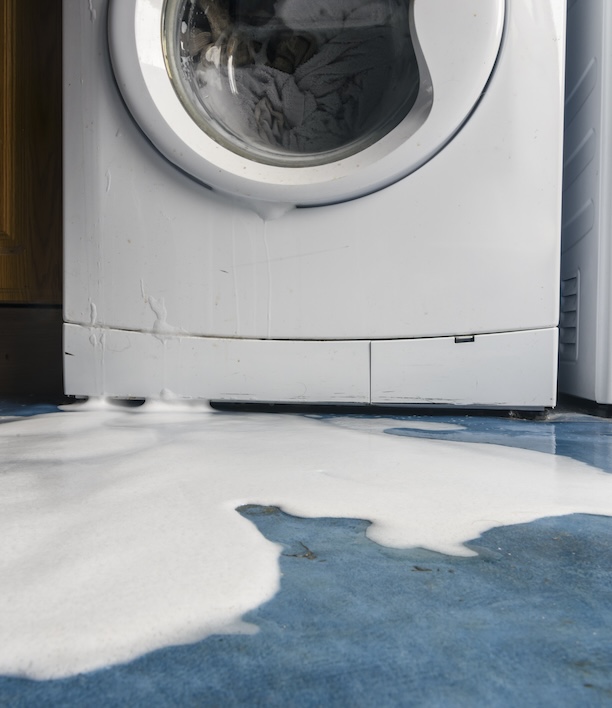
There's a specific kind of household disruption that comes from a machine breaking — not dramatic, not dangerous, just suddenly inconvenient in a way that touches something you do every week without thinking about it. The washer was there, it worked, you used it. Now it doesn't work, and laundry that would have been handled quietly in the background has become a problem that needs an active solution.
You probably don't have a backup plan for this. Most people don't. The washer worked until it didn't, and now you're figuring it out in real time while the laundry keeps accumulating and the timeline on repair or replacement is still unclear.
Here's how to handle it.
Start With the Backlog
Before anything else, the laundry that's already piled up needs attention. The fastest ways to clear it:
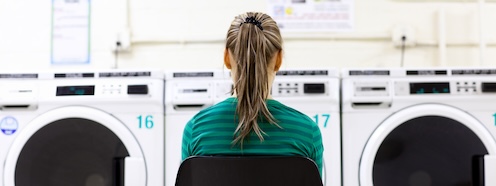
Laundromat. Multiple machines running simultaneously means a full household backlog can be cleared in a single visit. Bring everything, run parallel loads, and leave with the slate clean. Expect two to three hours if the backlog is significant — time-consuming, but efficient for a large one-time volume.
Wash-and-fold drop-off. Leave the laundry at a laundromat or independent shop, come back when it's done. Most locations offer same-day or next-day turnaround. Two short trips instead of one long one.
Pickup and delivery service. Schedule a pickup from your phone, leave the bag at your door, get it back clean and folded within 24 to 48 hours. No trip required, no time blocked for sitting at a machine. The most practical option when time is the immediate constraint.
Any of these clears the backlog. The right choice depends on how much time you have right now and whether a laundromat is practical from where you are.
Repair or Replace — And How Long It Actually Takes
Once the immediate backlog is handled, the next question is what happens to the machine. This is worth thinking through early, because the answer determines how long the disruption actually lasts.
Repair makes sense when the machine is under ten years old, the repair cost is less than half the price of a comparable replacement, and parts are available without significant lead time. A straightforward fix — a pump, a belt, a door latch — can be done in a single service visit. Anything requiring ordered parts extends the timeline by a week or more.
Replace makes more sense when the machine is older, the repair cost is significant relative to replacement value, or the repair addresses one symptom in a machine that's been showing multiple signs of wear.
The practical problem: most people don't have this information when the machine first breaks. Getting a repair estimate takes time — scheduling a service call, waiting for the visit, receiving the quote. Factor that into the decision. The repair window may be longer than it initially seems.
Covering the Gap While You Wait
Whatever path the repair or replacement takes, there's a window — typically one to three weeks — where your normal laundry routine doesn't exist. That window has a way of running longer than the initial estimate.
Here's the reframe that makes the gap easier to manage: getting laundry handled by a service during a temporary disruption isn't an indulgence. It's the rational response to a situation where the alternative is either repeated laundromat trips or a growing pile that's harder to deal with the longer it sits. One or two pickup orders over the course of a two-week repair wait keeps the laundry current without requiring a new routine to be built around a problem that's going away.
The disruption is temporary. Managing it well just means not treating every day of it as something to push through manually.
For a fuller look at how pickup and drop-off options compare — what they cost, how they work, and how to find what's available near you — the next page covers the complete picture for anyone navigating laundry without a machine at home.
Common Challenges